Token Vesting
Token vesting is a time-based release mechanism that gradually unlocks tokens held by team members, investors, and other stakeholders over a predetermined schedule. Rather than receiving all tokens at once, vesting prevents rapid token dumping and aligns long-term incentives.
TradFi parallel: Like employee stock options that vest over 4 years: you earn them gradually, not all at once.
Key Takeaways
- 01Vesting schedules control when tokens become liquid, preventing immediate large-scale selling by insiders
- 02Cliff periods delay any token release; linear vesting gradually releases tokens over months or years after the cliff ends
- 03Different stakeholders (team, investors, advisors, treasury) typically have different vesting terms reflecting their role
- 04Vesting is essential for price stability: misaligned schedules can cause sharp supply shocks when large batches unlock
- 05Full vesting analysis requires tracking all allocations across multiple time horizons to forecast long-term supply pressure
How It Works
Token vesting is fundamental to tokenomics design because it controls supply pressure and incentive alignment. When a project launches, founders, employees, and early investors typically receive large token allocations. Without vesting, these parties could immediately sell their holdings, flooding the market with supply and crashing the token price. Vesting schedules typically include a cliff period (no tokens unlocked for months or years) followed by a linear or graduated release phase.
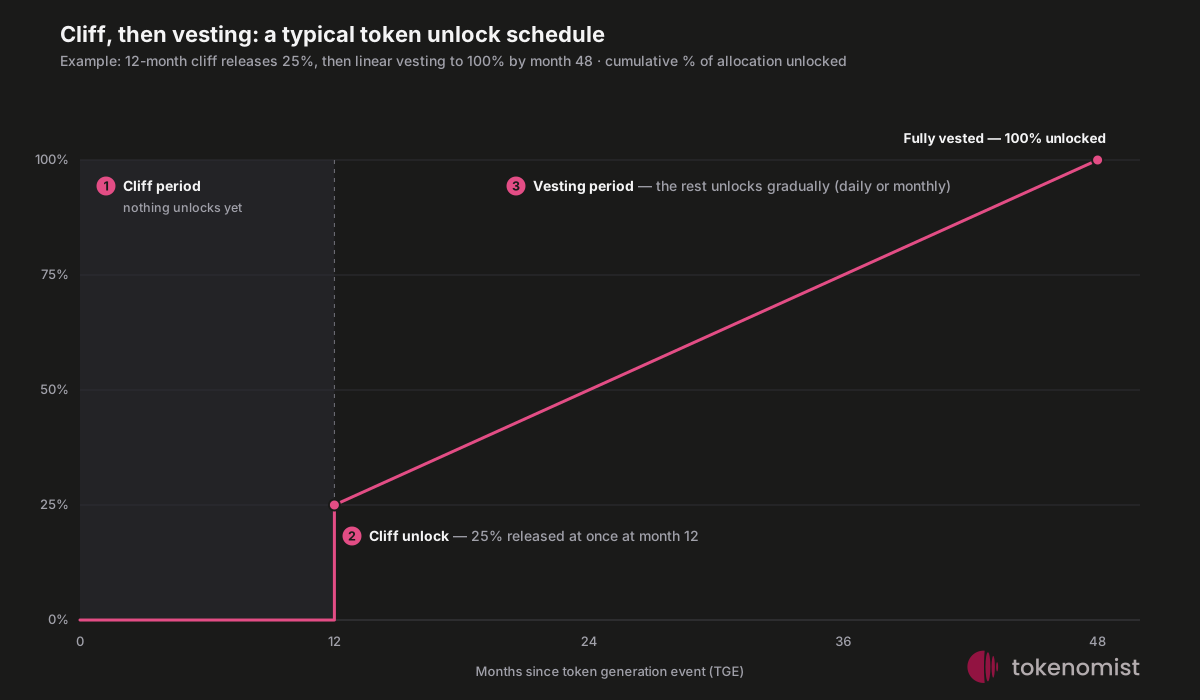
A typical team vesting schedule: 12-month cliff, 25% cliff unlock, then linear vesting over 36 months.
Vesting schedules vary significantly by stakeholder type. Team members might have a 1-year cliff followed by 3-year linear vesting (4 years total). Early investors might have a 6-month cliff and 2-year vesting. Public token sales often have no cliff or a short cliff with faster vesting. The design reflects the incentive structure: longer vesting for insiders who shaped the project, shorter vesting for public participants.
For investors, vesting schedules are critical unlock catalysts. Each vesting event releases new supply into the market, creating potential price pressure. Understanding a project's vesting schedule across all stakeholder groups (team, advisors, treasury, investors) reveals the timeline of supply dilution and helps forecast future unlock events.
Here's what these mechanics look like on a real vesting schedule, tracked live on Tokenomist:
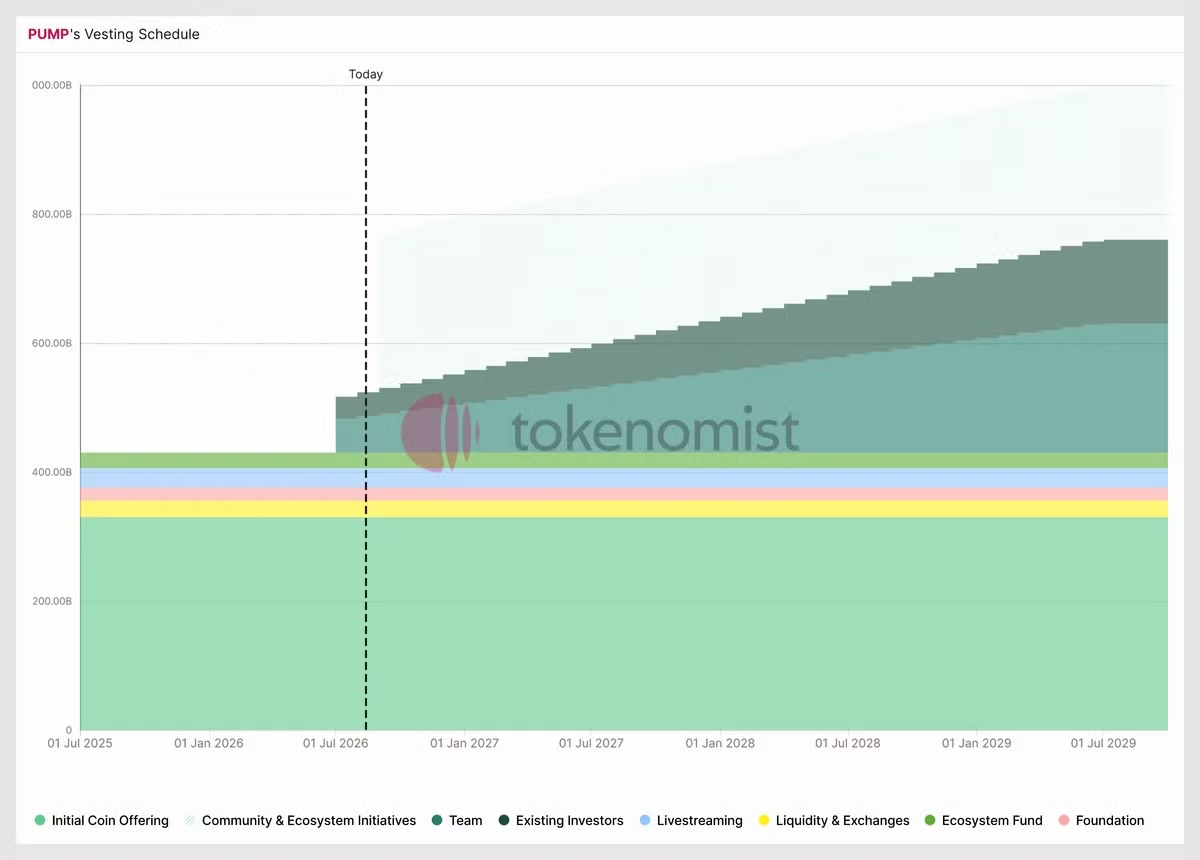
PUMP's vesting schedule on Tokenomist: the Team allocation (dark green) shows a classic cliff unlock in July 2026 followed by monthly cliff unlocks, while ICO tokens (light green) were fully unlocked at TGE.
Real World Examples
Uniswap Team Vesting
View →Uniswap's team allocation includes a 1-year cliff followed by 4-year linear vesting, totaling 5 years. This extended timeline kept founder incentives aligned long after launch and prevented the team from dumping tokens during early volatility. The graduated release schedule was a model for mature DeFi protocols.
Arbitrum DAO Treasury Vesting
View →Arbitrum's initial allocation included treasury tokens on a multi-year vesting schedule to fund ecosystem development gradually. This prevented the DAO from flooding the market with ARB all at once, allowing the community to deploy capital strategically over time.
Optimism Investor Vesting
View →Optimism's Series A and B investors received tokens with a 1-year cliff and 3-year linear vesting. The structured unlock created predictable supply milestones that aligned with network growth and adoption metrics, giving investors confidence in long-term value accrual.
Aave Early Investor Allocations
View →Aave's early investors and team members followed staggered vesting schedules with cliffs ranging from 6 months to 1 year, followed by 2-4 year linear release periods. This diversity of vesting schedules created a more continuous unlock calendar rather than concentrated supply shocks.
Polygon Treasury Vesting
View →Polygon's treasury and ecosystem fund allocations used multi-year vesting to fund grant programs, partnerships, and development initiatives. The scheduled releases ensured sustainable capital deployment as the polygon ecosystem matured.
Frequently Asked Questions
What's the difference between vesting and unlocking?
Vesting is the schedule that determines when tokens become available; unlocking is the specific moment those tokens become liquid and tradeable. A vesting schedule defines the unlock timeline. All unlocks occur within a vesting schedule, but not all vested tokens are unlocked simultaneously. They release gradually per the schedule. On Tokenomist, each token's detail page breaks down vesting by beneficiary category so you can see exactly which stakeholder group unlocks next.
Why do projects use cliff periods in vesting?
Cliff periods align long-term incentives and reduce early-stage supply pressure. A 1-year cliff means team members must stay committed for at least a year before receiving any tokens, ensuring skin-in-the-game. It also bunches multiple stakeholders' first unlock events, making the initial supply shock more predictable. Tokenomist's unlock calendar highlights upcoming cliff expirations so you can anticipate these concentrated supply events.
Can vesting schedules be modified after token launch?
Most vesting schedules are immutable or can only be modified by governance votes, which is rare. Some DAOs and protocols have modified schedules through community proposals, but this is controversial because it affects stakeholder incentives. Immutable schedules build credibility with investors. Tokenomist documents the original vesting terms and tracks any governance-approved modifications for each project.
How do I track vesting schedules across all stakeholders?
Tokenomist's Token Unlocks Dashboard consolidates vesting data for all major beneficiary categories (team, investors, treasury, advisors, and ecosystem) into a single timeline. You can drill into any token's detail page to see exactly when each unlock event occurs, how much supply enters the market, and the emission schedule driving future releases.
Related Terms
cliff unlocklinear vestingtoken generation eventunlock calendarsupply pressuretoken allocationbeneficiary categoryemission
Track on Tokenomist
Supply-side analysis for educational purposes. Not financial advice. Verify assumption and precision labels on the relevant token page.

Tokenomist.ai provides a complete solution for supply-side tokenomics data. Analyze future token emissions, track vesting schedules, and compare standardized tokenomics and allocation across projects to gain actionable insights