Vesting Schedule
A vesting schedule is the predefined timeline that governs when allocated tokens become available to their beneficiaries. It typically combines cliff periods (where no tokens release) with linear or stepped release phases, and each stakeholder group (team, investors, ecosystem) usually has its own distinct schedule.
TradFi parallel: Like an employee compensation plan's vesting timeline: a document showing exactly when each batch of stock options becomes exercisable over the employment period.
Key Takeaways
- 01Vesting schedules combine cliff periods (initial lockup with no token release) and release phases (linear, stepped, or hybrid distribution)
- 02Each beneficiary category (team, investors, ecosystem, advisors, treasury) typically has its own schedule with different parameters
- 03Cliff expirations are the highest-impact events: they release accumulated tokens in a single moment after months of zero supply from that category
- 04Linear vesting distributes tokens continuously (often per-block), creating steady and predictable supply pressure rather than discrete shocks
- 05Schedule overlap across categories can compound supply pressure: multiple cliffs expiring in the same month amplifies the market impact
- 06Data precision varies by project: on-chain verifiable schedules provide higher confidence than documentation-only timelines
How It Works
Vesting schedules are the foundational mechanism that controls token supply flow from allocation to circulation. At a token generation event (TGE), the total supply is allocated across categories (team, investors, ecosystem incentives, community, treasury), but most of these tokens are locked in smart contracts with time-based release conditions. The vesting schedule defines exactly when each category's tokens become claimable.
Most vesting schedules combine two structural elements: cliff periods and release phases. A cliff is an initial lockup where no tokens vest: a 12-month cliff means zero tokens become available during the first year. After the cliff expires, tokens begin releasing either linearly (continuous daily or block-by-block vesting), in discrete steps (monthly or quarterly batches), or through hybrid structures that combine both approaches. A typical investor schedule might include a 12-month cliff followed by 24 months of linear vesting, while team schedules often have longer cliffs (18-24 months) to signal commitment.
Every vesting schedule is built from three basic release structures:
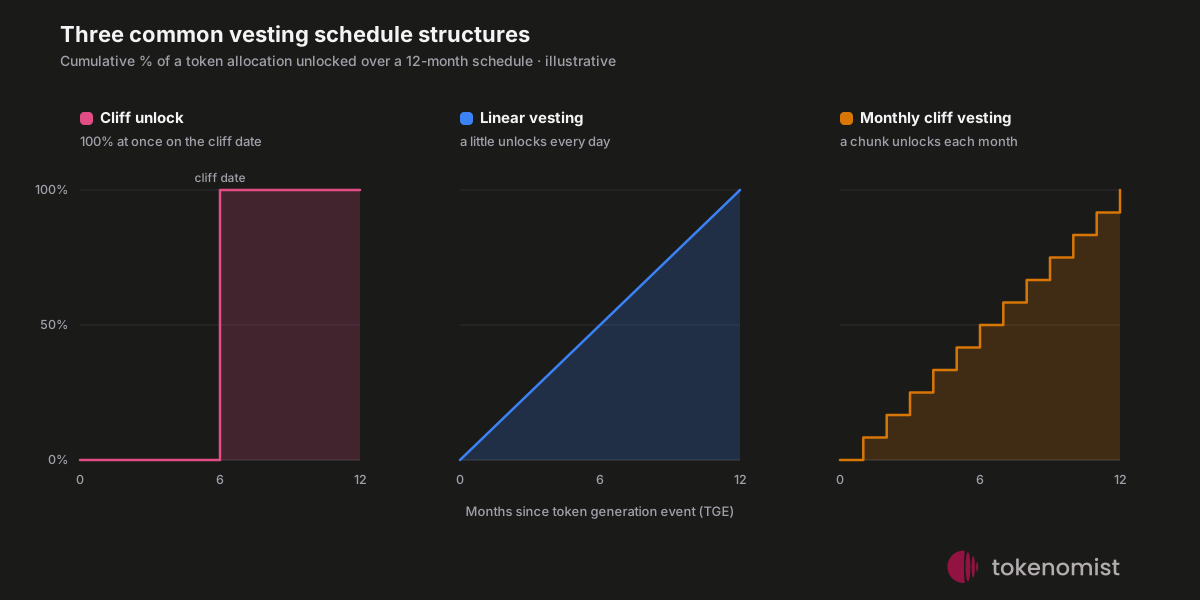
Comparison of vesting schedule structures: cliff unlock, linear vesting, and monthly cliff vesting.
Understanding the interaction between different stakeholder schedules is critical for supply analysis. When multiple categories' cliffs expire simultaneously, the combined unlock can create concentrated sell pressure. Conversely, well-designed vesting schedules stagger releases across categories to distribute supply impact over time. The precision of vesting data matters significantly: some projects publish exact smart contract parameters while others provide only approximate timelines, and the reliability of supply projections depends on this underlying data quality.
Real World Examples
Arbitrum Cliff-Plus-Linear Structure
View →Arbitrum's investor and team tokens followed a cliff-plus-linear structure: tokens were fully locked during the cliff period, then released gradually over the subsequent vesting phase. This is the most common vesting pattern in the industry.
Optimism Multi-Category Staggering
View →Optimism designed its vesting schedules to stagger releases across investor, team, and ecosystem categories. By offsetting cliff expirations and using different vesting durations per category, the protocol avoided concentrating all unlock pressure into a single period.
Aptos Investor Vesting with Early Cliff
View →Aptos investors faced one of the most closely watched cliff expirations in 2023-2024. The large allocation percentage combined with a defined cliff date created a well-anticipated supply event that the market priced in ahead of the actual unlock.
Solana Long-Dated Team Vesting
View →Solana's team and foundation allocations used multi-year vesting schedules that extended well beyond the initial hype cycle. This long-dated structure aligned team incentives with long-term protocol success rather than short-term price performance.
Celestia Ecosystem Incentive Release
View →Celestia's ecosystem allocation vests on a different schedule than its investor tokens, with releases designed to fund grants and protocol development over an extended timeline. The dual-track vesting creates two distinct supply pressure profiles for analysts to monitor.
Frequently Asked Questions
How do I find the vesting schedule for a specific token?
On Tokenomist, navigate to any token's detail page (e.g., /arbitrum) to see a complete visual breakdown of its vesting schedule. The page shows each beneficiary category's allocation, cliff dates, vesting duration, and a timeline chart that projects future unlocks. All data is sourced from on-chain contracts and project documentation.
What happens when a cliff expires?
When a cliff expires, all tokens that accumulated during the cliff period become claimable at once. This creates a discrete supply event that can be significant: an investor category with a 12-month cliff releases an entire year's worth of allocation in a single moment. Tokenomist's Token Detail pages and Unlock Calendar highlight upcoming cliff expirations so you can prepare for these events.
Why do different stakeholder groups have different vesting schedules?
Each group has different incentive structures. Teams get longer cliffs (18-24 months) to signal commitment. Investors get shorter cliffs (6-12 months) as a compromise between lockup protection and return expectations. Ecosystem allocations vest over extended periods to fund ongoing development. Tokenomist breaks down vesting by beneficiary category on each token's detail page, so you can analyze each group's schedule independently.
How reliable are published vesting schedules?
Reliability varies. Some projects have on-chain vesting contracts where parameters are verifiable and immutable. Others publish schedules in documentation that may be approximate or subject to governance changes. Tokenomist indicates the data source and precision level for each token's vesting data through its assumption and precision methodology, helping you assess how much confidence to place in the projected timeline.
Can I get alerts for upcoming vesting events?
Tokenomist's Unlock Calendar shows all upcoming unlock events across tracked tokens, including cliff expirations and large linear vesting milestones. You can filter by date range, token, and event size to focus on the most market-relevant events. The Token Unlocks Dashboard also highlights near-term unlocks sorted by dollar value.
Related Terms
token vestingcliff unlocklinear vestingbeneficiary categoryassumption and precisionunlock calendarkpi gated unlock
Track on Tokenomist
Supply-side analysis for educational purposes. Not financial advice. Verify assumption and precision labels on the relevant token page.

Tokenomist.ai provides a complete solution for supply-side tokenomics data. Analyze future token emissions, track vesting schedules, and compare standardized tokenomics and allocation across projects to gain actionable insights